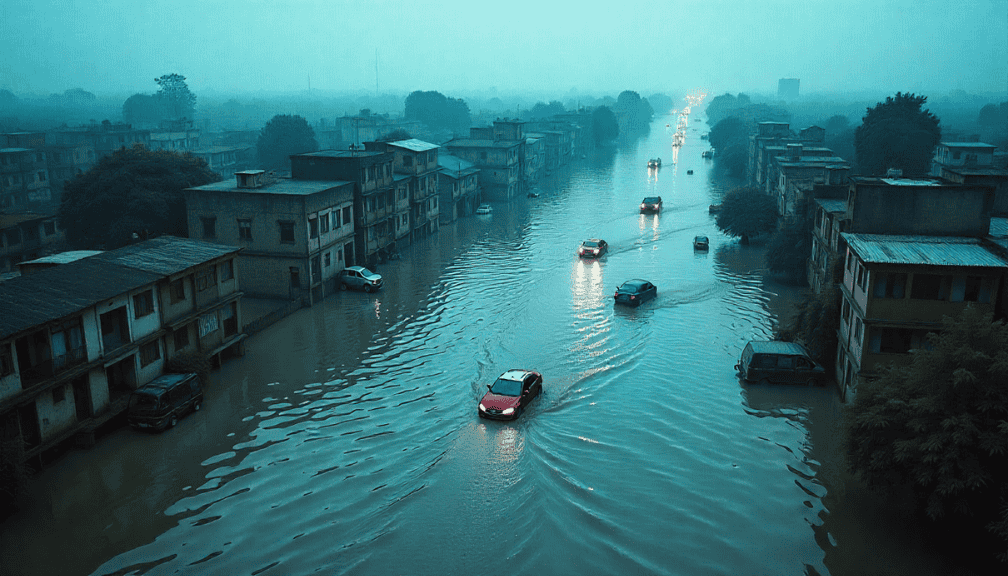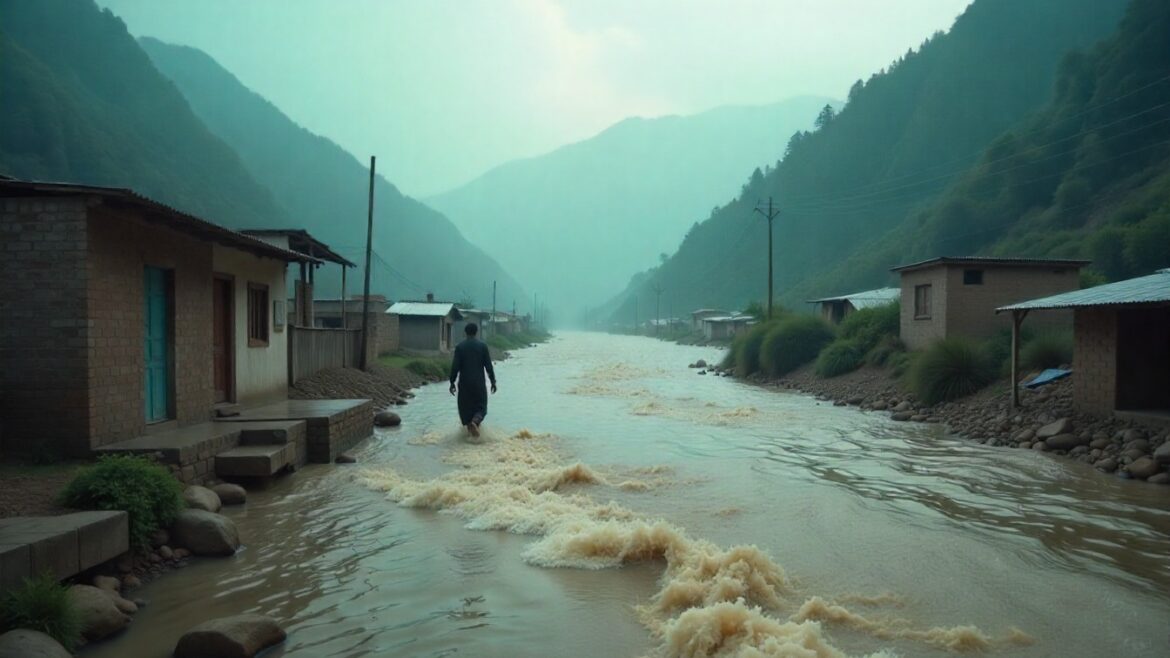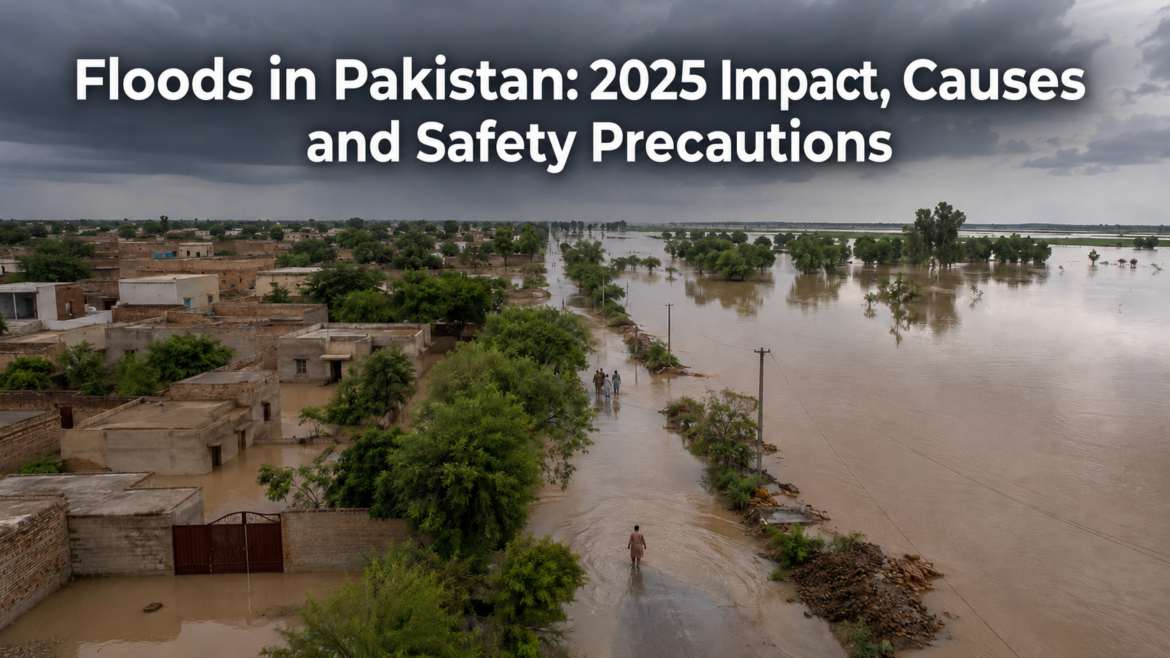
Floods have become one of Pakistan’s most frequent and destructive natural disasters. Every monsoon season brings the risk of overflowing rivers, flash floods, urban flooding, landslides and damage to homes, crops and public infrastructure.
Pakistan’s geography makes the country particularly vulnerable. The Indus River system, mountainous northern regions, densely populated floodplains and rapidly expanding cities create several different types of flood risk. Climate change, poor drainage, construction in natural waterways, deforestation and inadequate waste management can make the situation even more dangerous.
The destructive floods of 2025 once again demonstrated why flood preparedness must be treated as a national, community and household responsibility.
What Happened During the 2025 Pakistan Floods?
The 2025 monsoon season brought widespread rainfall and flooding from late June through September. Northern Pakistan initially experienced destructive cloudbursts, landslides and flash floods. As the season continued, riverine flooding affected large parts of Punjab and other downstream areas.
According to NDMA’s Post-Monsoon Analysis 2025, Khyber Pakhtunkhwa suffered the highest number of reported deaths, while Punjab recorded the largest number of affected people and significant agricultural damage.
The report recorded:
- More than 1,000 deaths across the listed regions
- Over 1,000 injuries
- 217,194 houses damaged
- 16,332 livestock lost
- Nearly four million people affected in eastern Punjab
- Around two million people evacuated
- More than 4,000 villages submerged
- Approximately 12% of Pakistan’s farmland damaged or affected
Punjab recorded 322 deaths and 665 injuries, while Khyber Pakhtunkhwa recorded 509 deaths and 218 injuries. Sindh, Balochistan, Azad Jammu and Kashmir, and Islamabad also reported casualties and damage.
Flash floods accounted for the largest share of fatalities. House collapses, drowning, landslides, electrocution and lightning were among the other major causes of death. NDMA’s official review also found that Punjab and Khyber Pakhtunkhwa bore the heaviest human impact.
These figures demonstrate that flooding is not limited to communities located directly beside major rivers. Mountain valleys, urban neighbourhoods, agricultural areas and settlements near seasonal water channels can all be exposed.
How Were the 2025 Floods Different from 2022?
The 2022 floods were considerably larger in overall humanitarian scale, affecting approximately 33 million people. However, the 2025 floods remained extremely destructive and revealed how rainfall patterns are becoming more intense, localized and difficult to predict.
Pakistan entered the 2025 monsoon with better contingency planning, hazard mapping, emergency stockpiles and coordination than it had in 2022. Authorities also used SMS alerts, media bulletins, community volunteers and early-action systems more extensively.
However, important challenges remained. Remote mountain communities sometimes received warnings too late, while emergency shelter, healthcare, transport and last-mile relief delivery came under severe pressure.
The key lesson is clear: forecasting alone cannot prevent tragedy. Warnings must reach vulnerable communities in simple language and be connected to timely evacuation and emergency action.
Why Is Pakistan So Vulnerable to Flooding?
Intense Monsoon Rainfall
Heavy and prolonged monsoon spells can quickly increase river levels and overwhelm local drainage networks.
Flash Floods and Cloudbursts
Sudden downpours in Khyber Pakhtunkhwa, Balochistan, Gilgit-Baltistan and other mountainous regions can send water, rocks and debris rapidly towards settlements.
Glacier Melt and GLOFs
Rising temperatures can accelerate snow and glacier melt. Glacial Lake Outburst Floods, or GLOFs, present an additional threat to northern valleys.
Construction on Floodplains
Homes, commercial buildings and roads constructed in natural waterways or low-lying floodplains face greater exposure.
Poor Urban Drainage
Blocked drains, plastic waste, unplanned construction and insufficient sewer capacity can turn heavy rainfall into dangerous urban flooding.
Loss of Trees and Natural Barriers
Deforestation and the removal of vegetation reduce the land’s ability to absorb water and control soil erosion.
Flood Precautions: What to Do Before a Flood
Preparation can save lives and reduce property losses.
- Monitor weather forecasts and alerts issued by NDMA, PDMA, district authorities and the Pakistan Meteorological Department.
- Identify the safest evacuation route and the nearest elevated location or official relief centre.
- Prepare an emergency bag containing drinking water, dry food, essential medicines, a first-aid kit, flashlights, batteries, power banks and hygiene supplies.
- Keep CNICs, property documents, medical records and emergency contacts in a waterproof folder.
- Move valuables, electrical appliances, chemicals and important documents to an upper floor or elevated location.
- Keep children, older family members, pregnant women and people with disabilities included in the evacuation plan.
- Charge mobile phones when severe weather is forecast.
- Clear nearby drains where it is safe and legal to do so.
- Move livestock and vehicles to higher ground before water levels rise.
What to Do During a Flood
Floodwater can be deeper, faster and more contaminated than it appears.
- Evacuate immediately when instructed by the authorities.
- Move towards higher ground and avoid riverbanks, canals, bridges and seasonal streams.
- Never walk, swim or drive through moving floodwater.
- Do not allow children to play near drains, canals or flooded streets.
- Switch off electricity and gas only if authorities recommend it and it can be done safely.
- Stay away from fallen electrical wires and submerged electricity poles.
- Use a battery-operated radio or charged mobile device for official updates.
- Do not return home simply because rainfall has stopped. Water levels may continue rising downstream.
NDMA specifically advises people to avoid walking or driving through floodwater because its depth and speed can be deceptive. Official NDMA flood-safety guidance also recommends preparing emergency kits, knowing evacuation routes and following official instructions.
What to Do After a Flood
Danger can continue even after the water begins to recede.
- Return home only when authorities declare the area safe.
- Do not touch wet electrical equipment or damaged wiring.
- Treat floodwater as contaminated with sewage, chemicals and disease-causing organisms.
- Drink sealed, boiled or officially treated water.
- Discard food that has come into contact with floodwater.
- Wear boots, gloves and protective clothing during cleanup.
- Watch for snakes, insects, unstable walls and sharp debris.
- Dry and disinfect the building to reduce mould and disease risks.
- Seek immediate medical assistance for injuries, fever, diarrhoea, breathing problems or skin infections.
- Photograph property damage before beginning major cleanup for documentation and possible assistance claims.
Building Flood-Resilient Communities
Pakistan cannot eliminate every flood, but it can reduce preventable losses. Strong drainage systems, protected waterways, responsible land-use planning, elevated construction, community drills and reliable early-warning systems can improve resilience.
Housing projects, institutions and local authorities should incorporate proper stormwater drainage, green spaces, safe road levels and emergency-access planning into development decisions. Buyers and investors should also examine a project’s approval status, drainage design, surrounding topography and emergency arrangements before purchasing property.
Conclusion
The 2025 floods showed that Pakistan’s flood risk is changing. Extreme rainfall, flash floods, river overflow and urban drainage failures can affect both rural and urban communities with little warning.
Preparedness must begin before the first monsoon alert. A family evacuation plan, emergency supplies, verified information and timely action can make the difference between safety and tragedy.