
#CyberSecurity

Critical PHP Security Vulnerabilities

Critical PHP Security Vulnerabilities

Critical PHP Security Vulnerabilities 1672 941 D. I. Khan New City

The UK’s National Cyber Security Centre (NCSC) has warned organisations about two critical PHP security vulnerabilities: CVE-2026-109618 and CVE-2026-109619.

Hackers could exploit these flaws to execute malicious code on vulnerable web servers without authentication. The NCSC urges businesses to update their PHP systems immediately to prevent cyberattacks and protect sensitive data.

What Happened?

PHP released security updates to fix two critical vulnerabilities that could allow hackers to gain unauthorised access to web servers.

Both vulnerabilities involve memory management issues that attackers could exploit to execute harmful commands.

  • CVE-2026-109618: Memory exhaustion can interrupt PHP processes and cause errors in internal request data.
  • CVE-2026-109619: PHP may access previously freed memory, which creates opportunities for cyberattacks.

These security flaws increase the risk of remote code execution (RCE). Therefore, organisations must take immediate action to secure their PHP applications.

Who Is Affected?

These vulnerabilities may affect organisations that use PHP-powered websites, applications, and web servers.

Businesses that operate WordPress websites, e-commerce stores, and custom PHP applications should review their systems.

Hackers may target vulnerable internet-facing servers without login credentials. As a result, organisations should check their PHP versions and prioritise security updates.

What Should We Do?

The NCSC recommends several important steps to reduce security risks:

  1. Check PHP Versions: Identify all PHP installations across your websites, servers, and applications.
  2. Update PHP Immediately: Install the latest security patches and upgrade outdated PHP versions.
  3. Apply Temporary Fixes: Follow official PHP security guidance if you cannot update immediately.
  4. Monitor Server Activity: Review security logs and investigate suspicious activity or potential backdoors.
  5. Secure Vulnerable Systems: Temporarily disable services if you cannot apply the necessary security fixes.
  6. Stay Updated: Follow NCSC and PHP security advisories for new threats and updates.

Regular PHP updates help businesses prevent cyberattacks, protect sensitive information, and maintain website security.

Organisations should act quickly to address these vulnerabilities and strengthen their cybersecurity defenses.
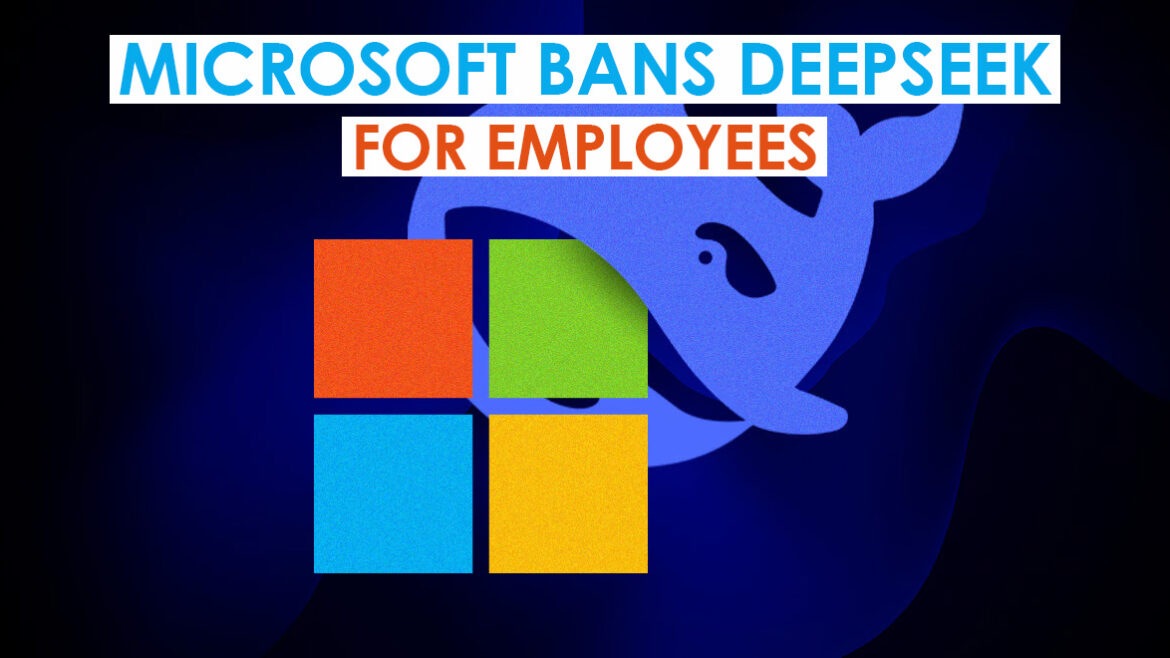
Microsoft bans DeepSeek AI app for employees

Microsoft bans DeepSeek AI app for Employees

Microsoft bans DeepSeek AI app for Employees 1200 660 D. I. Khan New City

In a decisive move, Microsoft has officially banned its employees from using the Chinese AI app DeepSeek, citing serious concerns over data security and potential propaganda threats. This announcement came directly from Microsoft Vice Chairman Brad Smith during a recent testimony before the US Senate.

Why Did Microsoft Ban DeepSeek?

The core of Microsoft’s decision revolves around data security risks and geopolitical concerns. According to Brad Smith, DeepSeek stores user data on servers based in China, which exposes sensitive information to Chinese intelligence laws. Additionally, Smith warned that misinformation could be embedded within the app’s AI-generated content, making it a potential tool for propaganda.

Moreover, Microsoft confirmed that DeepSeek will not be listed on its official app store, further distancing itself from the Chinese AI platform.

A Strategic Shift in Microsoft’s AI and Cloud Policy

Interestingly, while Microsoft previously hosted DeepSeek’s open-source R1 AI model on its Azure platform, Smith assured that it underwent “rigorous red teaming” processes to filter out harmful content. However, this latest move signals a broader shift in Microsoft’s approach to AI governance and data sovereignty.

The company’s Azure cloud division, now responsible for 30% of its overall revenue, is positioning itself as a secure, regulation-compliant alternative for enterprise clients wary of foreign data exposure.

Geopolitical Tensions Reshape Cloud Infrastructure Strategy

In parallel with this ban, Microsoft has reportedly canceled hundreds of megawatts in US data center leases. Analysts suggest this reflects a pivot toward more agile, localized, and regionally compliant infrastructure solutions, allowing the tech giant to better navigate complex regulatory landscapes.

While these developments introduce short-term risks, particularly around infrastructure expansion, Microsoft’s impressive 15% stock gain in 2025 underscores market confidence in its long-term AI and cloud strategy.

Conclusion: A Bold Move in an Increasingly Complex AI Landscape

Microsoft’s decision to block DeepSeek underscores the growing importance of data security, AI ethics, and geopolitical strategy in today’s digital economy. As global tensions over AI platforms continue to rise, this move positions Microsoft as a leader in responsible AI governance and enterprise cloud security.

For tech enthusiasts, investors, and enterprise clients alike, this is a clear signal: data privacy and regional compliance will shape the future of AI infrastructure.

X
Welcome to D. I. Khan New City